Sim racing rig utilization is the share of your available rig hours that actually get sold, and most owners only ever look at it on the nights that are already full. That is backwards. Your Saturday takes care of itself once the busy-night throughput is sorted. The real money hiding in your building is on a Tuesday evening, when most of your rigs sit there glowing at nobody. This post is about those hours: how to measure them properly, and the formats that give people a specific reason to show up when they otherwise wouldn't.
How to Measure Sim Racing Rig Utilization Honestly
Start with a grid. Days of the week across the top, opening hours down the side, and in each cell the number of rigs that were occupied during that hour. Run it for four weeks. You don't need anything fancy, and a spreadsheet will do fine for the first month. What you're looking for is shape, not a single number, because an average utilization figure blends your packed Friday with your dead Monday and tells you nothing useful about either.
Once the grid is filled in, you'll usually see three kinds of cells. There are the full ones, which are a throughput problem. There are the empty ones early in the week, which are a demand problem. And then there's the awkward middle: nights where two or three rigs get used by the same regulars and the rest sit idle. That middle band is the one worth attacking first, because the people are already coming. You just need to give them a reason to bring friends or stay longer.
Two habits make the numbers more honest. Count per rig, not per room, since one rig that always sits empty (the one by the door, the one with the sticky pedal) is a different fix from a slow night. And log what format each session was, because you want to know later which formats actually moved the needle.
Give Every Quiet Night Its Own Format
People don't decide to go out on a Tuesday because rigs are available. They go because something is happening. The fix for weak rig utilization on off-peak nights is almost always a recurring format with a name, a day and a leaderboard, repeated until it becomes a habit. A few that work well on a sim racing floor:
Traffic dodging night
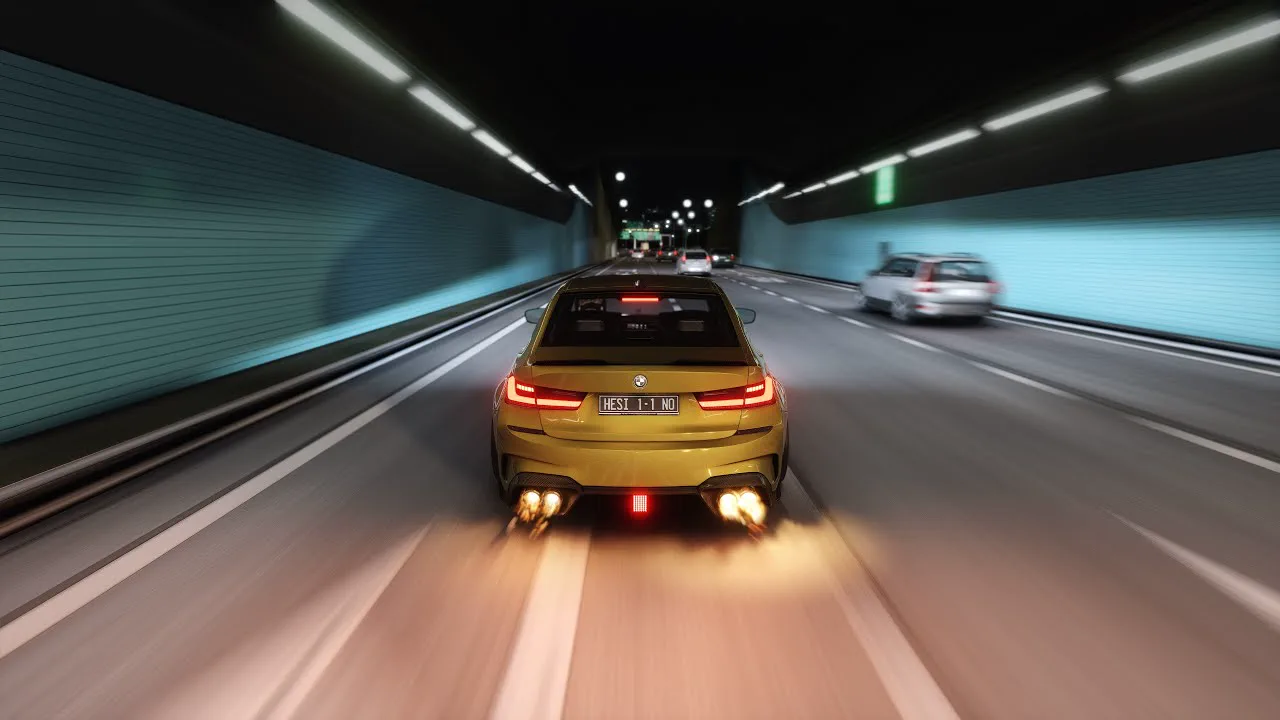
NoHesi-style traffic runs are a completely different crowd from the hot lap people. They're social, they're loud, and they don't need racing experience to have fun. On Multitap, multiple drivers join the same locally hosted traffic server and weave through AI traffic side by side, any car and any traffic map, with a custom scoring engine and its own dedicated traffic leaderboards. Pick one night, call it traffic night, and let the scores do the talking. It's a friendly entry point for groups who'd feel intimidated by a proper race.
Time attack week
A time attack format is the simplest way to turn a single visit into several. Set one car and one track for the week, put the board on a screen, and let people chase it. This is where sim racing time attack software earns its keep: laps land on the in-venue boards automatically with per-track and per-car splits, and there's a public web URL per venue so drivers can check their position from home. The lap editor matters here too, since you can invalidate dirty laps live and keep the top of the board legit. Nobody comes back to defend a record they think was set by someone cutting a chicane.
League night
Leagues fill the same rigs at the same time every week, which is exactly what a quiet night needs. I covered the structure in my sim racing league software guide, so the short version here is just this: a league turns an empty weeknight into a booked one, and the group race mode handles the grid.
Session Length Pricing for Off-Peak Hours
Session length pricing on a quiet night works differently from a busy one. On a Saturday, shorter slots keep the queue moving. On a Tuesday there's no queue, so the job flips: you want people to stay longer and come back sooner. That usually means longer blocks for the same group, a format that has a clear finish (a race, a traffic run, a timed attack window), and an ending that points at the next visit.
Whatever you decide, keep off-peak pricing tied to the format rather than to a vague discount. "Traffic night" is something people tell their friends about. "Tuesdays are cheaper" mostly teaches your regulars to stop coming on Saturday.
Staffing and Follow-Up When the Floor Is Slow
Sim racing venue staffing on a slow night is its own puzzle. You probably have one person on the floor, which means that person can't be walking over to every rig to pick a car and track. The fullscreen Multitap client helps here: customers navigate with the wheel, paddles or a button box, Windows stays hidden, and bindings are customizable per venue. Group races, hotlaps, traffic and custom servers all launch from the same admin surface with saved presets, so starting the next block isn't a project. That keeps one staff member free to actually talk to people, which on a quiet night is most of the job.
The other half of utilization happens after people leave. Multitap sends email marketing on every lap and pushes leaderboard updates, and the Discord bot posts lap PBs, traffic high scores and race results into your venue's server the moment they happen. When someone gets knocked off the top of the time attack board on Wednesday, they find out about it, and that's a far better reason to come back than another promo post. You can see the full list on the Multitap homepage.
If you'd like to see how traffic mode, the boards and the launcher would fit your own quiet nights, book a demo and I'll walk you through it. Or drop by NXT LVL Gaming in Miami and watch Multitap run a live floor.
See Multitap in Action
Lap-triggered marketing, TAPPED IN, and the Discord engine, live and unscripted. Try the public demo or book a walkthrough.
Make an Inquiry →